Luxury Packaging: Screen Printing vs Hot Stamping, Which One Should You Choose?
In the world of premium cosmetics and fine fragrance, a product's value is perceived long before it is opened. The bottle, jar, and their decoration communicate identity, craftsmanship, and quality. A precisely printed logo or a metallic detail that catches the light can transform a standard container into a truly desirable object.
When it comes to luxury packaging, screen printing and hot stamping are among the most popular decoration techniques. Both allow brands to customize cosmetic packaging with durable, high-quality finishes, but they differ significantly in terms of appearance, cost, technical requirements, and design possibilities. In this guide, we explore how each technique works, their advantages, and how to choose the best option for your brand.
Why Decoration Matters in Luxury Packaging
In the premium segment, every detail contributes to the perceived value of a product. Decoration is much more than a branding element: it communicates positioning, enhances recognition, and shapes the overall customer experience.
A well-designed decoration helps to:
- Make the product instantly recognizable on shelves and online.
- Convey a sense of exclusivity and sophistication.
- Ensure clear and durable product information throughout the product's lifecycle.
- Create visual consistency across an entire product line.
Compared to labels, direct decoration on the container creates a cleaner, more elegant finish, allowing the graphic design to become an integral part of the packaging itself.
What Is Screen Printing?
Screen printing is a decoration process in which ink is applied directly onto the container surface through a fine mesh screen carrying the selected artwork. It is one of the most versatile solutions for decorating bottles and jars made of both glass and plastic.
Features and Benefits of Screen Printing
With Stocksmetic's screen-printing service, packaging can be decorated in one or two colors, choosing from 17 recommended color options or a custom Pantone® color that matches the brand identity.
Key advantages include:
- Extensive color flexibility, allowing accurate reproduction of brand colors.
- High-definition printing for sharp, legible logos and graphics.
- Compatibility with multiple materials, including glass and plastic.
- Accessible minimum order quantities, starting from 200 pieces for single-color printing and 500 pieces for two-color printing.
For these reasons, screen printing is often the preferred choice for emerging brands, new product launches, or projects seeking an effective balance between aesthetics and budget.
What Is Hot Stamping?
Hot stamping, also known as foil stamping or hot foil printing, transfers a metallic foil onto the container surface through a combination of heat and pressure using a custom die engraved with the desired artwork.
Unlike metallization, hot stamping does not cover the entire object but highlights specific design elements such as logos, decorative lines, patterns, or brand details.
Features and Benefits of Hot Stamping
The result is a distinctive mirror-like metallic effect that cannot be achieved with conventional inks, including metallic inks.
With Stocksmetic's hot-stamping service, glass bottles and jars can be decorated with gold or silver foil finishes, making it ideal for:
- Highlighting the brand logo or fragrance name.
- Adding premium details such as borders, fine lines, or monograms.
- Instantly communicating a luxury positioning.
- Creating limited editions and exclusive collections.
There are also some technical considerations:
- Available exclusively on glass containers.
- Not recommended for very small text or ultra-thin graphic elements.
- Minimum order quantity starts at 500 pieces.
- Production lead times typically range from 8 to 12 weeks, depending on artwork complexity.
Screen Printing vs Hot Stamping: Key Differences
Choosing between screen printing and hot stamping for luxury packaging becomes easier when comparing the factors that most influence the final result.
From an aesthetic perspective, screen printing produces solid-color graphics, while hot stamping creates a reflective metallic finish that enhances light and visual impact.
Color options also differ significantly. Screen printing offers 17 recommended shades, including 14 glossy colors and 3 metallic inks, or a fully customized Pantone color. Hot stamping focuses on premium gold and silver metallic finishes.
Additional technical distinctions include:
- Materials: Screen printing can be used on both glass and plastic; hot stamping is available only on glass.
- Readability: Hot stamping is not suitable for very fine text or intricate details, which are often better executed through screen printing.
- Minimum quantities: Screen printing starts at 200 pieces (single-color), whereas hot stamping requires at least 500 pieces.
- Typical applications: Screen printing is ideal for logos, text, and coordinated branding; hot stamping excels at luxury details and decorative accents.
Which Technique Is Best for Your Project?
There is no universally superior solution. The most suitable technique depends on your product category, objectives, budget, and production timeline.
Choose screen printing if you need:
- Customized brand colors.
- High readability for text and graphics.
- Decoration on either glass or plastic containers.
- Lower minimum order quantities.
Choose hot stamping if you want:
- A prestigious and luxurious metallic finish.
- Maximum visual impact on glass packaging.
- Packaging for premium fragrances, serums, or skincare products.
- Exclusive editions or high-end collections.
Choose both techniques together if you want to combine the readability and versatility of screen printing with the premium appeal of metallic foil accents.
For fragrance packaging, for example, the perfume name can be screen printed while the brand logo is enhanced with gold or silver hot stamping, creating an elegant, multi-dimensional result.
Combining Techniques for an Exclusive Look
Many of the most sophisticated packaging designs are created by combining multiple decoration techniques.
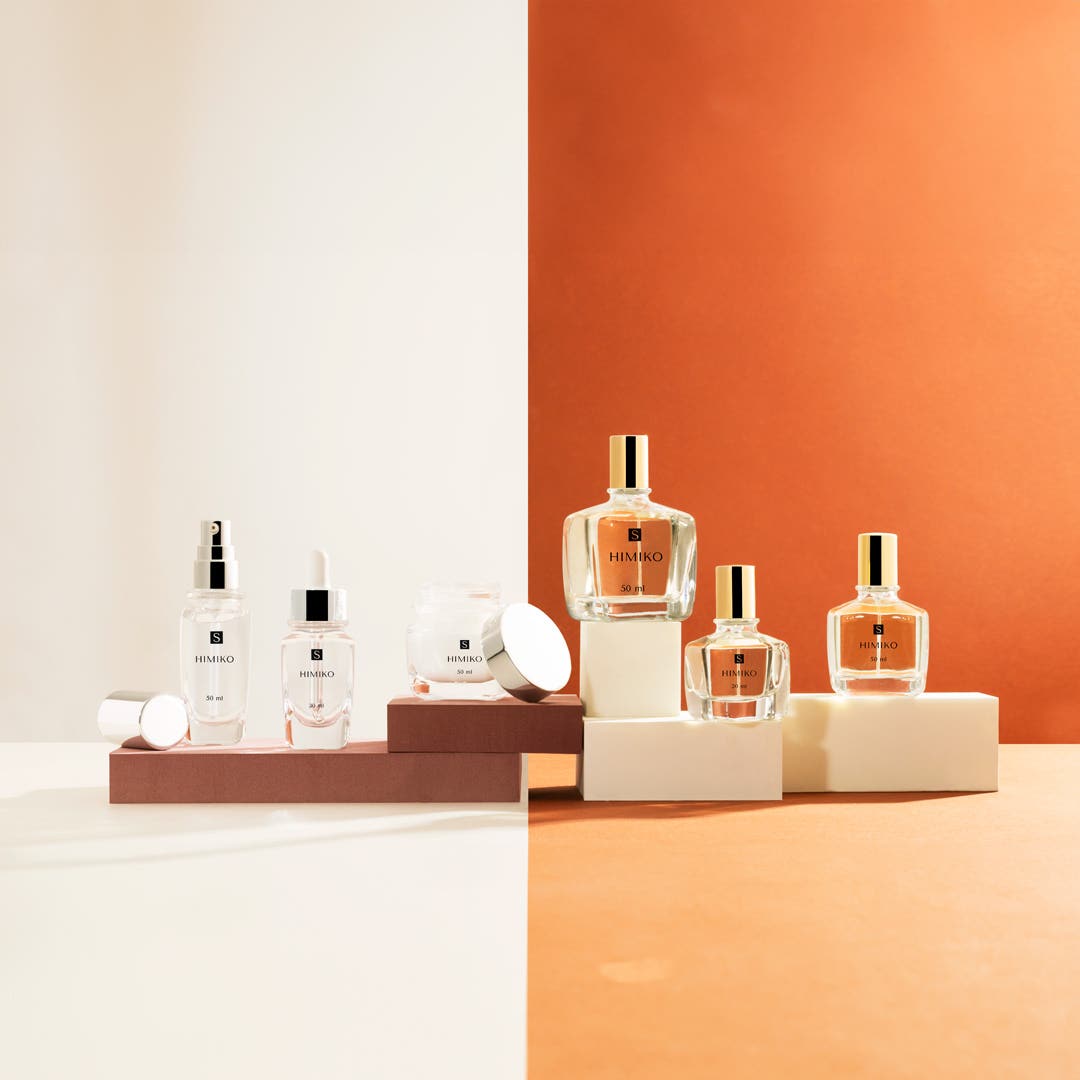
Hot stamping can be paired with screen printing and glass lacquering, available in glossy or matte finishes as well as opaque or semi-transparent effects. For instance, a matte black lacquered bottle with a mirror-gold logo creates a striking luxury aesthetic.
Premium collections such as the Luxe Collection particularly showcase these decoration techniques, thanks to their refined glass designs and elegant proportions.
For a fully coordinated brand experience, the visual identity can also extend to secondary packaging, with cosmetic boxes that mirror the same colors, finishes, and decorative details.
Best Practices for Designing Decorative Artwork
Successful packaging decoration starts with proper planning. Before production begins, it is recommended to:
- Work with vector artwork files and use the technical layout available on the selected product page.
- Evaluate the contrast between decoration colors and the container surface.
- Avoid overly fine details, especially when using hot stamping.
- Consider the curvature of the container, which can affect graphic placement and readability.
- Verify color rendering with Stocksmetic's screen-printing sample kit, which includes all 17 standard colors and provides a realistic preview of the final result.
Elevate Your Luxury Packaging with Stocksmetic
Choosing between screen printing and hot stamping for luxury packaging means finding the right balance between aesthetics, functionality, and brand identity. Screen printing offers versatility and precision, while hot stamping delivers brilliance and prestige. Together, they allow brands to create packaging that is both distinctive and memorable.
For advice on decoration techniques, finishes, and packaging solutions, contact the Stocksmetic team to develop a customized packaging project tailored to your brand.
Frequently Asked Questions
Can hot stamping be applied to plastic packaging?
While hot stamping can technically be used on various materials, Stocksmetic's hot-stamping service is available exclusively for glass bottles and jars. For plastic packaging, screen printing is the recommended solution.
Are metallic colors other than gold and silver available?
For hot stamping, only gold and silver finishes are available. Brands seeking alternative metallic effects can consider screen printing, which includes three metallic shades among its 17 standard colors, or specify a custom Pantone color and combine it with glass lacquering.
Which decoration technique is more cost-effective?
In most cases, screen printing is the more economical option thanks to lower minimum order quantities and shorter production lead times. Hot stamping requires a dedicated die and larger production runs but offers a premium metallic finish that significantly enhances perceived value.
Are the decorations resistant to daily use?
Yes. Both techniques provide durable decoration suitable for everyday handling. Hot stamping can also be combined with screen printing and glossy or matte glass lacquering for even greater durability and visual impact.
Is it possible to see a sample before production?
Yes. In addition to the screen-printing sample kit, pre-production samples can be requested for certain processes, such as glass lacquering, allowing you to evaluate the final appearance before confirming production.