How to Create a Professional Cosmetic Line: A Strategic Guide for Brands and Manufacturers

Creating a professional cosmetic line requires a clear vision, technical expertise, and the ability to coordinate multiple strategic elements: formulation, packaging, positioning, and regulatory compliance. In a market where supply is increasingly broad and segmented, the success of a cosmetic project depends on the coherence between the product, brand image, and the expectations of the target audience.
Whether developing a new brand or extending an existing line, building a professional cosmetic line means structuring each phase with a methodical approach and selecting reliable partners and solutions capable of supporting long-term growth.
Defining the Concept of the Cosmetic Line
The first step in creating a cosmetic line is defining the concept. This includes the type of product, the target audience, brand values, and market positioning. A professional line always originates from a specific need: advanced skincare treatments, technical haircare products, functional cosmetics, or sustainability-oriented formulations.
Clearly defining these aspects from the outset helps guide all subsequent decisions—from formulation choices to packaging design—preventing inconsistencies that could weaken the brand identity.
Formulation: The Core of the Cosmetic Product
A professional cosmetic line is distinguished first and foremost by the quality of its formulation. Formulas must be effective, safe, and compliant with current regulations, while also meeting consumer expectations in terms of texture, fragrance, and performance.
Ingredient selection, product stability, and packaging compatibility are closely interrelated. For this reason, it is essential that formulation development proceeds in parallel with container selection, preventing issues related to product–material interactions.
Cosmetic Packaging: Functionality and Visual Identity
Packaging is one of the most visible and strategic elements of a professional cosmetic line. Beyond its protective function, packaging plays a key role in shaping brand perception and product recognizability.
An effective packaging solution must:
- Protect the formulation over time
- Ensure ease of use
- Communicate brand positioning
- Be consistent with the target audience
- Meet sustainability criteria, when required
Packaging selection extends beyond the container itself to include accessories, closure systems, and customization options.
Materials and Packaging Solutions for Professional Cosmetics
In the professional cosmetic sector, the most commonly used materials are glass, plastic, and aluminum. Each offers specific characteristics that make it suitable for different applications.
Material comparison for a professional cosmetic line
| Material | Key characteristics | Ideal uses | Perceived value |
|---|---|---|---|
| Glass | Inert, recyclable, durable | Serums, perfumes, premium skincare | Very high |
| Plastic | Lightweight, versatile, functional | Creams, cleansers, make-up | Medium |
| Aluminum | Total barrier, recyclable | Haircare, travel-size products | Medium–high |
Material choice affects not only aesthetics, but also logistics, costs, and the overall user experience.
Closure Systems and Functional Performance
An often underestimated aspect of creating a cosmetic line is the selection of closure systems. Pumps, sprays, droppers, and caps are not merely accessories, but essential components that ensure proper dosing, hygiene, and product preservation.
Common closure solutions in the professional sector include:
- Dosing pumps for creams and lotions
- Airless systems for sensitive formulations
- Spray systems for fragrances and cosmetic waters
- Droppers for oils and concentrated serums
Compatibility between the formulation and the closure system must be carefully verified to avoid technical or functional issues.
Packaging Personalization: Standing Out in the Market
In a highly competitive market, packaging personalization is a key tool for differentiating a professional cosmetic line. Decoration techniques such as screen printing, coating, or engraving allow standard containers to be aligned with a brand’s identity.
Packaging personalization enables brands to:
- Strengthen brand recognition
- Maintain visual consistency across the range
- Reduce costs compared to fully custom solutions
- Accelerate time-to-market
This approach is particularly effective for emerging brands or for testing new product lines without high structural investments.
Sustainable Packaging in Professional Cosmetics
Sustainability has become a central theme in professional cosmetics. More and more brands are choosing packaging solutions designed to reduce environmental impact without compromising quality or safety.
Sustainable cosmetic packaging may include:
- Use of recyclable or recycled materials
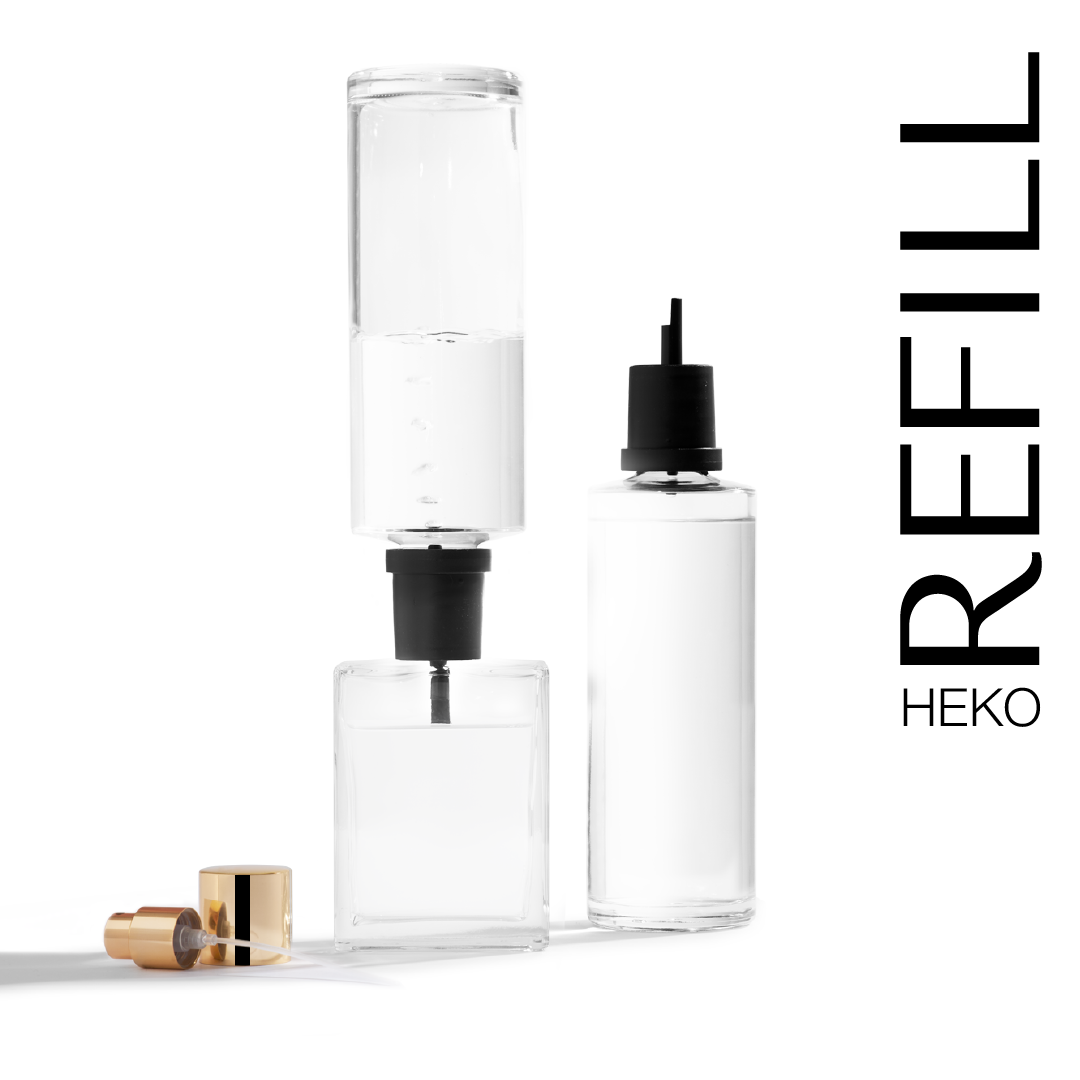
- Refillable or reusable solutions
- Reduction of weight and volume
- Optimization of production processes
Integrating sustainability into cosmetic line design helps meet market expectations and strengthens brand reputation.
Regulations and Compliance: A Mandatory Requirement
A professional cosmetic line must comply with European and international regulations regarding safety, labeling, and traceability. Packaging also plays a role in compliance, as it must be suitable for product contact and aligned with regulatory requirements.
Working with experienced suppliers helps reduce the risk of non-compliance and allows brands to approach the market with greater confidence.
Planning the Growth of the Cosmetic Line
Creating a professional cosmetic line also means planning for the future. Scalability, the ability to expand the product range, and packaging flexibility are key factors influencing long-term business sustainability.
Choosing modular, catalogue-based solutions makes it easier to adapt the line as market needs evolve—introducing new products or updating design elements without needing to overhaul the entire project.
Frequently Asked Questions
Where should you start when creating a professional cosmetic line?
It is essential to begin with a clear concept, defining target audience, positioning, and product type before moving on to formulation and packaging.
Should packaging be selected before or after formulation?
Ideally, both phases should progress simultaneously to ensure compatibility between the product and its container.
Is it possible to create a professional cosmetic line with small volumes?
Yes. Thanks to customizable standard packaging, it is possible to launch a line even with limited quantities.
How important is sustainability in cosmetic packaging?
It is an increasingly important factor for the market and for brand perception, especially in the skincare and haircare segments.
Do closure systems affect product quality?
Absolutely. The right closure improves preservation, hygiene, and overall user experience.
Is it possible to maintain visual consistency across an entire cosmetic line?
Yes. By using coordinated containers and targeted customization, brands can achieve a cohesive and recognizable product range.